

Teaching Kids How to Interact with Dogs Safely and Respectfully
- Written by Whats On Australia
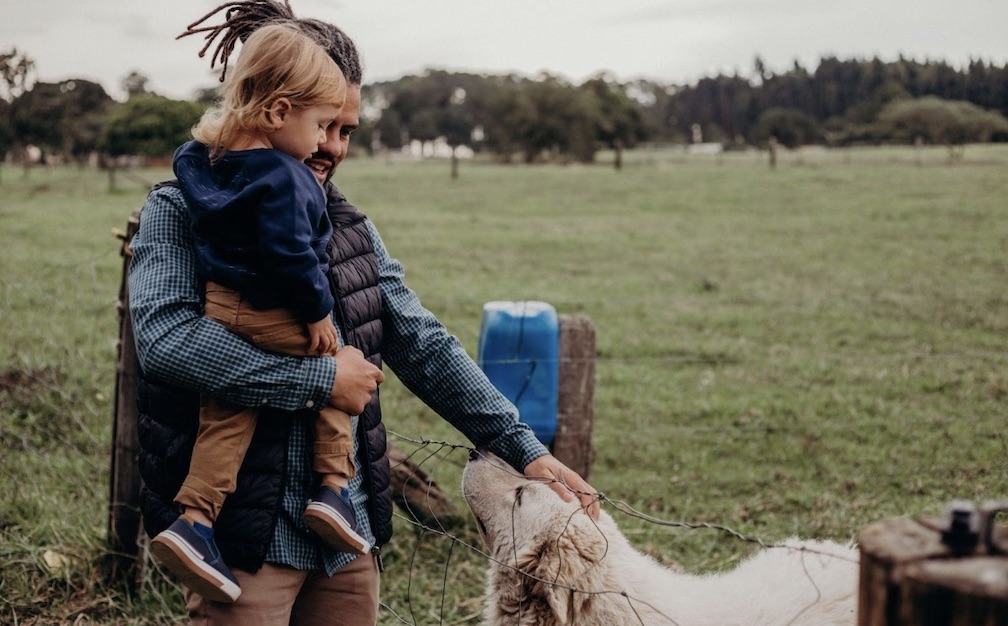
Teaching children how to interact with dogs safely and respectfully is a crucial part of fostering healthy relationships between kids and their canine companions. A child who knows how to treat a dog kindly and interpret its body language is less likely to experience a negative encounter or inadvertently harm the dog.
Equally important, these skills help nurture compassion, responsibility, and an understanding of boundaries. These are valuable lessons for any child to learn, and will serve them well throughout their entire lives.
The Importance of Educating Children About Safe Dog Interactions
Every year, countless incidents involving children and dogs are reported, with some leading to severe injuries. Many of these unfortunate occurrences are preventable with proper education and awareness about safe dog interactions.
Dog breeders from New South Wales suggest teaching kids from an early age about dog behaviour, safety rules, and respectful handling can drastically reduce the risk of such incidents and promote a more harmonious coexistence.
Do's and Don'ts When Interacting with Dogs
Do's:
1. Ask Permission: Teach your child always to ask the dog owner's permission before approaching or petting a dog, even if they know the dog. Not all dogs are comfortable with children or strangers touching them.
2. Approach Slowly and Calmly: Quick movements can scare dogs. Kids should approach dogs slowly and quietly to avoid causing any anxiety or fear.
3. Let the Dog Sniff First: Dogs get to know people by sniffing them. Encourage your child to offer their hand, fingers curled under, for the dog to sniff before they try to pet the dog.
4. Pet Gently: Teach your child to pet dogs gently, stroking them on their back or chest. Many dogs don't like being petted on top of their head, especially by strangers.
Don'ts:
1. Don't Disturb a Dog that is Eating, Sleeping or Caring for Puppies: Dogs can be protective or startle easily in these situations, increasing the risk of a negative reaction.
2. Don't Tease or Hurt Dogs: Make sure your child understands that pulling a dog's ears, tail, or fur is unacceptable. Teasing a dog with toys or food can also lead to aggression.
3. Don't Approach Unfamiliar Dogs: Teach your child not to approach unfamiliar dogs, especially if the dog is behind a fence, tied up, or in a car. These dogs may be protective or scared and could react negatively.
4. Don't Run or Scream Around Dogs: Rapid movements and loud noises can frighten a dog, potentially leading them to react out of fear or excitement.
Understanding Dog Body Language
Educating children about dog body language is essential for safe interactions. Dogs communicate primarily through body signals, and understanding these can help prevent unwanted situations.
1. Relaxed Body: A relaxed dog will have loose and relaxed body language, with a wagging tail and possibly a panting mouth. This generally signals the dog is comfortable.
2. Aggressive Signals: Raised fur, bared teeth, a stiff tail, and a deep growl can indicate aggression. If a child sees these signs, they should slowly and calmly move away from the dog.
3. Fearful Signals: A dog might be scared if it's trying to make itself look smaller, has its tail between its legs, and is avoiding eye contact. A scared dog can also become defensive, so it's essential to give these dogs space.
4. Playful Signals: A playful dog might perform a "play bow" (front legs and chest on the ground, hind end in the air), have a wagging tail, and possibly a jumping or bouncing movement.
Teach children that understanding a dog's body language is a way to "listen" to what the dog is saying. This knowledge can help them react appropriately and show respect for the dog's feelings.
Fostering Responsible Dog Handlers
Cultivating a child's respect and care for dogs doesn't stop at safe interaction; it's also about helping them understand the responsibilities that come with handling a dog.
1. Participate in Dog Care: Involve children in the care of your family dog. Simple tasks like filling the water bowl, brushing, or accompanying on walks can teach kids about the daily responsibilities involved in caring for a pet.
2. Teach Empathy: Explain that just like humans, dogs have feelings too. They can feel happy, sad, scared, or angry. This understanding can help children empathise with dogs, strengthening their bond and promoting kind behaviour.
3. Practice Training Commands: If you have a family dog, involve your child in training sessions. It helps children learn how to communicate effectively with dogs, teaches them about consistency and patience, and can enhance the dog-child relationship.
4. Learn About Different Breeds: Not all dogs are the same. Teaching children about different dog breeds, their characteristics, behaviours, and needs can provide a broader understanding of dogs in general.
Conclusion
By encouraging respectful and safe behaviour, we can raise children who understand and respect animals, leading to more harmonious relationships and safer environments for both kids and dogs.
Understanding the importance of these interactions not only safeguards children and dogs but also fosters a more compassionate future generation of pet owners.


