

Why Slip-Resistant Swimming Pool Paving Is Essential for Every Backyard Pool
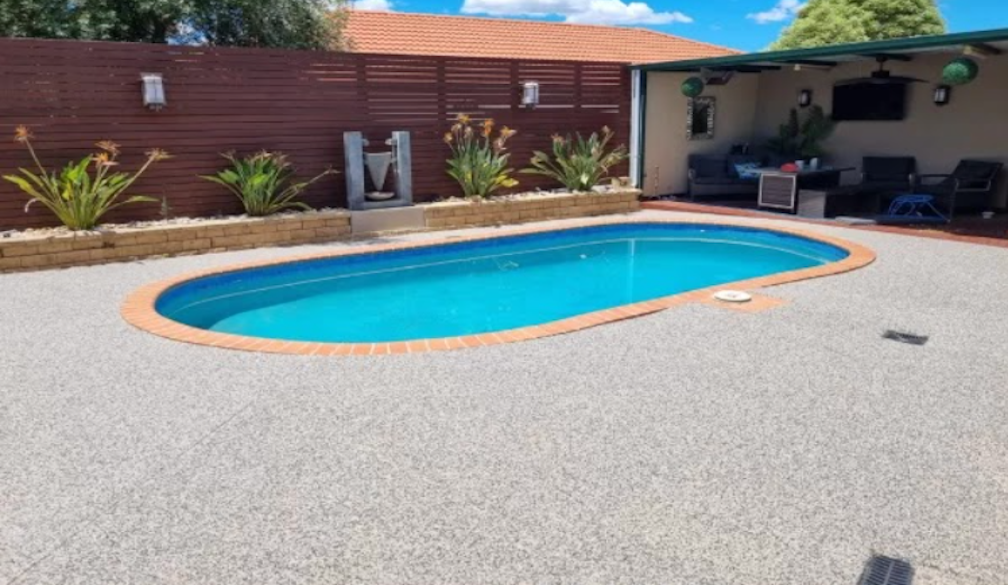
When someone plans a pool, the attention usually goes to the pool itself. Shape, size, or maybe even the lighting. The surrounding area often comes later, almost like a finishing touch. But that space ends up getting just as much use. It’s where people walk, sit, dry off, and move around constantly.
The issue is, once water starts getting tracked everywhere, that same surface can turn unpredictable. And it doesn’t take much — just a bit of moisture on the wrong material is enough.
It’s Not Just Water Causing the Problem
Apart from water, there are other factors that contribute to the slippery surface. For example, sunscreen, body oils, and cleaning chemicals. All these liquids leave a thin layer that builds up the pool residue and affects grip.
In shaded spots, algae can start forming as well. Then you add heat into the mix. When the ground gets too hot, people move faster without thinking. That combination of speed, moisture, and low grip is where most slips actually come from.
The Injuries Are Often Worse Than Expected
A fall near a pool doesn’t always look serious, but it can be. People instinctively try to catch themselves, which is why wrists and ankles take the hit. The impact can be really bad as pool paving surfaces are really hard.
Head knocks are another concern, especially near edges. Kids tend to run, so they’re at risk differently. Older adults, on the other hand, are more affected by balance. It’s a mix of situations, but the cause is usually the same.
Grip Changes Everything
Once the swimming pool paving has some texture to it, the whole dynamic shifts. You don’t really notice it at first, but your footing feels more stable. That’s the key difference.
Slip-resistant paving works by breaking up the smooth layer that water sits on. Instead of sliding across the surface, your foot actually connects with it. Some materials also allow water to move away instead of pooling. It’s not complicated — it’s just about reducing that slippery layer that causes trouble in the first place.
People Move Differently on Safer Surfaces
This is something you only notice after the fact. When a surface is slippery, people slow down, hesitate, or take shorter steps. It’s subtle, but it changes how the space feels. With a better grip, movement becomes more natural again.
Kids don’t need constant reminders to be careful, and guests aren’t second-guessing every step. The space starts to feel more relaxed, which is what a pool area should be in the first place.
It Also Holds Up Better Over Time
Pool surrounds go through a lot — sun, water, chemicals, and regular use. Some surfaces wear down and become smoother, which only makes the problem worse later on. Materials designed with slip resistance in mind tend to keep their texture longer. They don’t polish themselves over time in the same way. That means the safety aspect doesn’t just fade out after a year or two. It stays consistent, which is really the point of doing it properly to begin with.
It’s a Small Decision That Has a Big Impact
Out of all the choices involved in building or upgrading a pool, this one doesn’t seem like the biggest. But pool paving has a direct effect on how the space is used every day.
It’s not about overthinking design — it’s just about making sure the area works the way it should. A good-looking pool is one thing, but if people don’t feel steady walking around it, that becomes the thing they remember.
Final Thought
You don’t really notice good paving when it’s there. Slip-resistant surfaces don’t stand out, but they quietly reduce the chances of something going wrong. And in a setting where water is always present, that matters more than most people expect.
When it comes to pool paving in the Melbourne area, choosing experienced professionals ensures your space is not only visually appealing but built with safety in mind. For a reliable, slip-resistant finish, solutions from The Pebble Mix Company are well worth considering.


