

How to Transform Your Old Patio into a Spectacular Outdoor Space
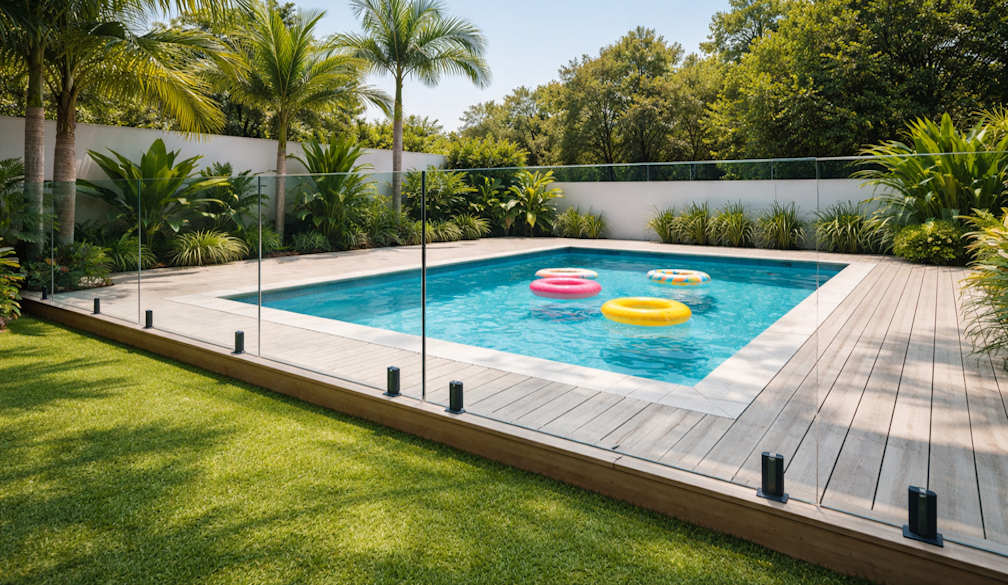
If your concrete patio or slab feels tired or uninspiring, installing composite decking over the top can completely change how the space looks and functions. A well designed deck adds warmth, usability, and visual appeal while also improving long term value.
Achieving a successful result depends on thoughtful planning and correct installation. When composite decking is installed properly over concrete, it delivers durability, comfort, and a strong return on investment. If you are unsure where to begin, guidance from experienced professionals can make all the difference.
This guide explains how to approach decking over concrete so you can make confident decisions and achieve lasting results.
Is Your Concrete Patio Suitable for Decking?
A solid concrete slab can provide an excellent base for a composite deck. However, not every patio is suitable without preparation. Understanding what you are working with helps prevent structural issues later on.
If you are unsure, a qualified contractor can assess your slab and offer advice on the safest and most practical solution. Whether you plan to build the deck yourself or engage professionals, these factors are worth reviewing early.
Door Clearance and Height Changes
Installing decking over concrete raises the finished surface, usually by at least 100 millimetres. This can interfere with door clearance and create trip hazards if not planned properly.
Reducing the height increase below this level may limit space for the required substructure, which can lead to custom solutions and added complexity. Steps, ramps, or transitions between the deck and surrounding areas can improve safety and usability.
In Australia, decks higher than one metre typically require guardrails. Always check local building regulations before proceeding.
Managing Multi Level Patios and Stairs
Concrete patios with multiple levels or existing steps require careful planning. Installing a deck over several levels can be achieved by building the substructure to consistent heights across each area.
Converting a stepped patio into a single level deck often requires raising the lower sections to match the highest point. This can be done using spacers or framing adjustments. The same approach applies to existing stair treads, particularly when height differences are significant.
Assessing the Condition of the Concrete
The condition of the existing slab plays a critical role in the success of your project. Cracks, movement, or water damage can compromise the deck if left unaddressed.
Small cracks can often be repaired with epoxy, latex fillers, or mortar mixes. More severe issues such as sinking slabs may require pressure grouting or full replacement. Areas affected by water damage may need patching or reconstruction.
In cases of extensive deterioration, replacing the concrete may be a better long term solution than building over it. A trusted contractor can help determine the most practical approach.
Proven Ways to Install a Deck Over Concrete
Once you have confirmed your slab is suitable and developed a clear plan, the next step is installation. Following best practice helps ensure the deck remains safe, attractive, and durable for years to come.
Step One: Gather the Right Tools and Materials
Installing decking over concrete requires specific tools and components, including:
- Mitre saw
- Jigsaw
- Cordless drill
- Hammer
- Measuring tape
- Spirit level
- String line
- Shovel
- Composite decking boards
- Joists and framing timber
- Concrete and decking fasteners
Ensure all tools and materials are suitable for outdoor use. Most items can be purchased or hired from hardware suppliers.
Step Two: Build a Strong Substructure
The substructure supports the entire deck, so it must be built correctly. Two common approaches are sleeper systems and raised post and footing frameworks.
Sleeper systems are fixed directly to the concrete and raise the decking slightly. While simpler, they can transfer existing slab movement to the deck over time.
A post and footing structure offers greater longevity and moisture resistance. This method isolates the deck from the slab and reduces the impact of movement or drainage issues.
To install a post and footing system:
- Measure and mark the deck perimeter and support locations
- Install concrete footings below the frost line if required
- Secure posts to footings, ensuring timber does not sit directly on concrete
- Assemble joists, blocking, and ledger boards to complete the frame
Step Three: Protect the Frame From Moisture
Moisture exposure can shorten the life of timber framing. Applying joist flashing tape to the tops of joists helps prevent water damage, mould, and rot.
Pay particular attention to ledger boards and high exposure areas. Using a dedicated water management system can further protect the substructure and improve durability.
Step Four: Install the Decking Boards
The method used to lay decking boards depends on the board type and design preference. Regardless of layout, even spacing is essential.
Use spacers to maintain consistent gaps between boards. Hidden fastening systems create a cleaner finish, while fascia or rim boards conceal exposed edges and improve visual appeal.
Unlike timber decking, composite boards do not require sanding, staining, or sealing after installation. Once the final board is secured, the surface is ready to use. Always source your materials from an Aussie deck supplier with a proven track record.
Step Five: Finish and Style the Space
Depending on Sydney decking height and local requirements, guardrails may be necessary. Adding stairs and deck lighting improves safety and usability.
Once construction is complete, personalise the space with features such as:
- Outdoor seating and built in benches
- Pergolas, umbrellas, or shade structures
- Planters and greenery
- Barbecue and outdoor cooking areas
- Storage benches or cabinets
- Privacy screens or slatted panels
- Rugs, cushions, lighting, and sound systems
Final Thoughts
Transforming an old concrete slab into a composite deck requires careful planning and proper execution, but the results can be striking. By selecting the right tools, constructing a durable substructure, protecting framing from moisture, installing Pioneer decking boards correctly, and finishing with thoughtful details, you can create a deck that is both functional and visually impressive.
A well designed composite deck can turn an ordinary patio into a refined outdoor retreat while delivering strong long term value.


